
How to Study the Bible #9: Teachers and Bible Commentaries

Here’s the Christian timeline: Jesus died on the cross, was resurrected, spent some time building up the disciples, and then ascended into heaven. At Pentecost Jesus baptized the apostles (and a bunch of other people) in the Holy Spirit, filled them with His power, and gave them the gift of tongues – and the Christian church was born. Those power-filled people then went out and started telling people about Jesus, leading them into salvation and...Jesus now has a problem.............
Categories

 Principle #1: God’s word is true regardless of our perceptions or feelings. 2 Peter 3:8-9 But know this first of all, that no prophecy of Scripture is a matter of one’s own interpretation, for no prophecy was ever made by an act of human will, but men moved by the Holy Spirit spoke from God. There are sixty-six books in the Bible and God used around 40 different men to write them. Those men were “moved by the Holy Spirit” as they wrote the words we now call scripture. When we study the scripture.......
 I am, with this series of posts, likely speaking to several different groups of people. First, are those mature Christians who have studied the Bible for many years. Maybe, like me, they received the Lord into their life at an early age and have been walking with Him ever since. This group, I hope, will keep me on my toes and make sure I stay accurate in what I say. (So log in and comment if you have a concern or question about what I’m saying.) :>) A second group consists of those people who are either......
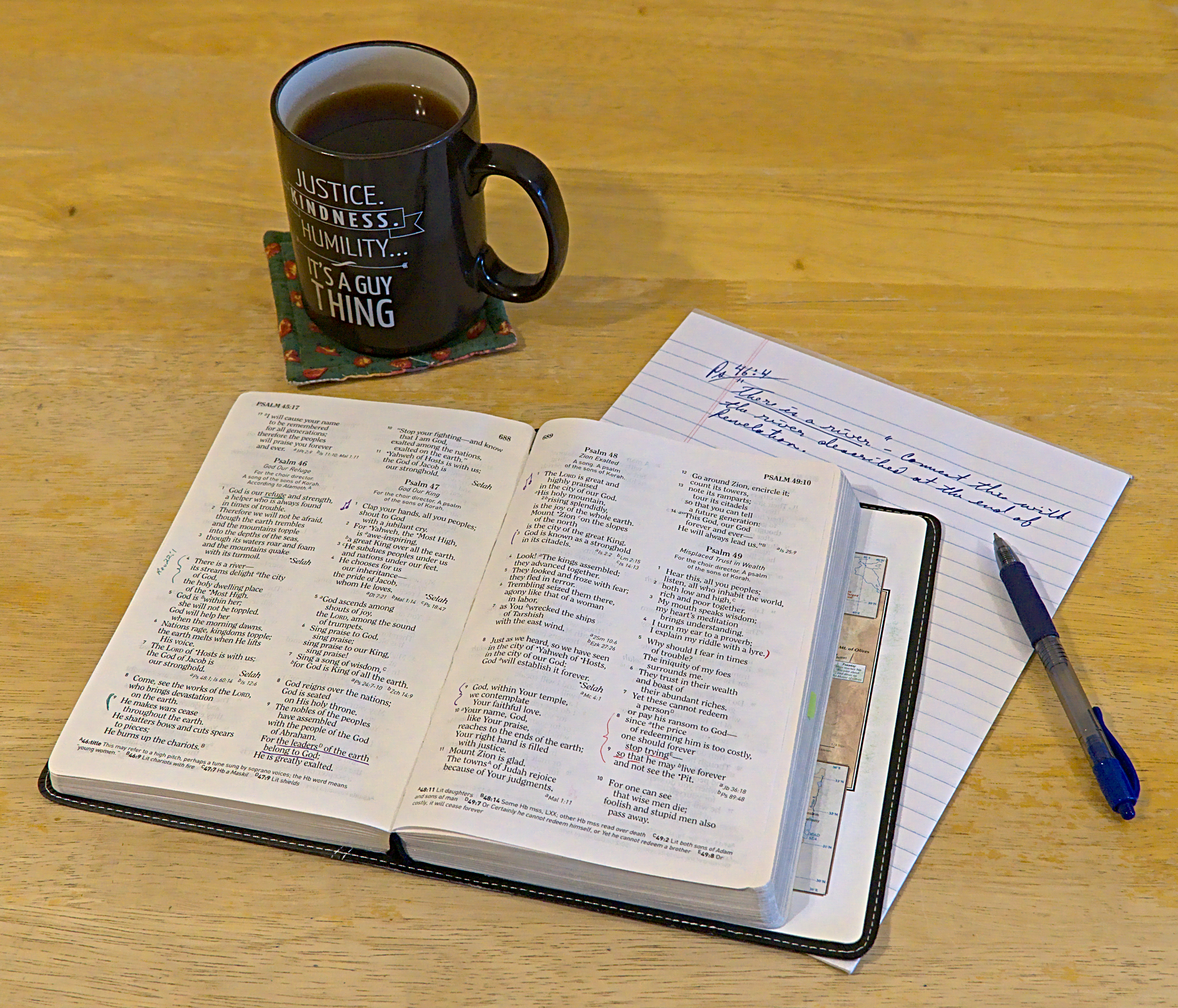 There are two things that are all important when seeking truth in the Bible. First, the Bible is true in every word and was inspired by the Holy Spirit making it His words spoken directly to us. If you can’t start from that position, then the Bible is useless. Second, we do not interpret the word of God according to our experience. Here are four principles to help guide you in your study of the Bible.